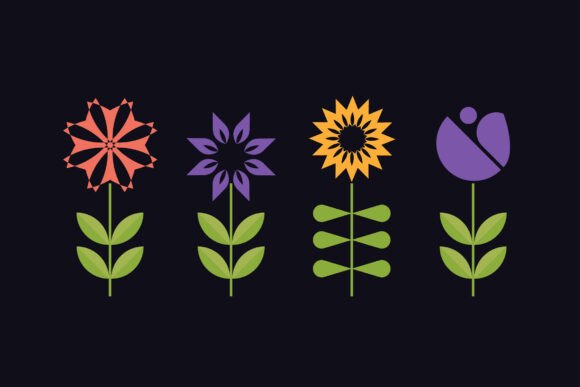
Nature Floral Bloom Decorative Element: Elevating Design with Spring's Palette
In the world of visual communication, the difference between a good design and a memorable one often lies in the details. A Nature Floral Bloom Decorative Element serves as that crucial finishing touch, injecting life and color into static layouts without overwhelming the core message. These are not just clip art; they are meticulously crafted botanical species rendered in a flat design aesthetic that bridges the gap between organic whimsy and modern minimalism. By integrating these elements, designers can instantly evoke the fresh, vibrant energy of spring, creating an atmosphere of elegance that resonates with audiences across various digital and print mediums.
The Essence of Flat Botanical Art
What exactly defines a Nature Floral Bloom Decorative Element? At its core, it is a graphic asset that captures the essence of wildflowers and blooming flora while adhering to the principles of flat design. This style strips away complex gradients, heavy shadows, and photorealistic textures, focusing instead on bold shapes, clean lines, and a curated color palette. The result is an image that feels both contemporary and timeless.
This approach allows the artwork to remain versatile. Unlike realistic photographs which can clash with specific typography or brand colors, flat botanical illustrations act as neutral yet expressive companions. They bring an air of sophistication, suggesting a connection to nature without appearing rustic or cluttered. Whether you are looking for a single poppy to accent a headline or a cluster of daisies to frame a section, these elements offer a refined aesthetic that marries the chaos of the natural world with the order of modern design.
Transforming Web Content and Digital Experiences
For web developers and UI/UX designers, the application of these decorative elements is particularly impactful. In an era where users scan pages rapidly, visual cues are essential for guiding attention. A Nature Floral Bloom Decorative Element can serve as a subtle separator between content blocks, breaking up walls of text and improving readability. Imagine a blog post about sustainable living; inserting a small, flat-design fern or blossom at the start of each new paragraph creates a rhythm that keeps the reader engaged.
Beyond simple decoration, these assets enhance user experience by reinforcing brand identity. For a wellness app or an eco-friendly e-commerce site, the presence of spring blooms signals values like growth, renewal, and natural purity. They work exceptionally well as icons for navigation menus or as background accents in hero sections. Because they are designed with scalability in mind, they retain their crispness whether viewed on a massive desktop monitor or a compact smartphone screen, ensuring consistency across all devices.
Revitalizing Print Materials and Branding
The utility of these botanical assets extends far beyond the digital realm. In the print industry, where paper texture and ink limitations can sometimes hinder design, flat floral elements shine. They reproduce cleanly, avoiding the muddy results that can occur with overly detailed images when printed on certain stocks. Consider the use of these elements in wedding invitations or greeting cards. A delicate arrangement of wildflowers can convey romance and celebration without the need for verbose descriptions.
Corporate branding also benefits significantly from this style. Companies seeking to soften their corporate image or highlight a commitment to environmental responsibility often turn to these motifs. A business card featuring a subtle corner flourish of blooming flowers suggests creativity and approachability. Similarly, marketing posters for seasonal sales or community events can utilize these pops of color to grab attention in crowded retail spaces. The versatility allows them to fit seamlessly into everything from packaging design to stationery, providing a cohesive look that feels both professional and personable.
Strategic Considerations for Implementation
While the appeal of adding floral touches is undeniable, successful integration requires thoughtful planning. It is not merely about dropping an image onto a canvas; it is about understanding how the element interacts with the surrounding design language. One of the primary considerations is color harmony. Since these elements come in a vibrant palette, they must complement rather than compete with your existing brand colors. If your project uses a monochromatic scheme, a single colorful bloom can act as a powerful focal point. Conversely, if the design is already colorful, opting for a muted or outlined version of the flower might be more effective.
Scale and placement are equally critical. A common mistake is overcrowding the layout with too many decorative items, which can dilute the main message. The beauty of minimalism lies in negative space. Using a Nature Floral Bloom Decorative Element sparingly allows it to breathe and command respect. Think of it as jewelry for your design; a single statement piece often outperforms a handful of trinkets. Additionally, consider the context of your audience. While a whimsical, cartoonish flower might appeal to a children's book, a sleek, geometric interpretation of a bloom would be more appropriate for a high-end fashion magazine or a tech startup's landing page.
Industry-Specific Applications
Different industries leverage these decorative elements in unique ways to meet specific goals:
- Retail and E-commerce: Used to highlight seasonal collections, such as spring clothing lines or garden tools. They create an immediate emotional association with freshness and new beginnings, encouraging purchases.
- Healthcare and Wellness: Employed to create calming environments in brochures, websites, and office decor. The natural imagery reduces anxiety and promotes a sense of healing and balance.
- Education: Integrated into learning materials to make dry subjects more engaging. A science textbook about botany or a newsletter for a school garden club becomes visually stimulating with these assets.
- Hospitality: Found in menu designs, room signage, and promotional flyers for resorts and cafes. They suggest a welcoming, organic atmosphere that enhances the guest experience.
Strengths and Limitations
The primary strength of the Nature Floral Bloom Decorative Element lies in its adaptability. It works across diverse media formats and scales, making it a cost-effective solution for brands needing consistent visuals. Furthermore, the flat design trend ensures longevity; unlike hyper-realistic styles that may date quickly, clean geometric interpretations tend to remain stylish for years. They also load faster on websites compared to high-resolution photography, contributing to better site performance scores.
However, there are limitations to keep in mind. Because they are stylized, they may lack the emotional depth of a genuine photograph in contexts requiring raw authenticity, such as photojournalism or documentary storytelling. Additionally, if overused, the "floral" theme can become cliché, especially during spring months when everyone is reaching for similar imagery. To avoid this, designers should experiment with unexpected color combinations or pair the flowers with contrasting industrial or brutalist design elements to create a unique visual tension.
Ultimately, the decision to use these decorative elements should stem from a desire to enhance the narrative of your project. When chosen wisely, a Nature Floral Bloom Decorative Element does more than fill empty space; it tells a story of growth, beauty, and connection, inviting the viewer to immerse themselves in the vibrant possibilities of your creation.