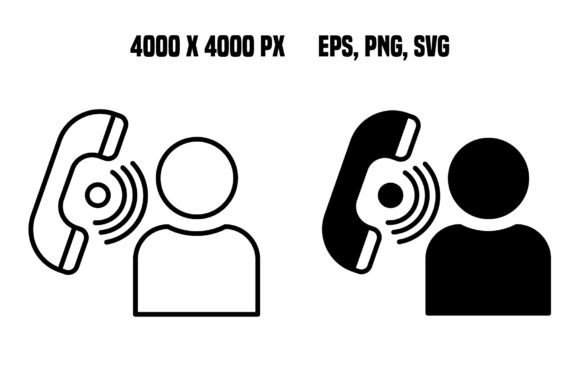
Contacts Icons: Streamlining Your Web Design Workflow
In the fast-paced world of digital creation, the efficiency of your asset library often dictates the speed and quality of your final output. For web designers, developers, and content creators, finding reliable visual elements that communicate clearly without slowing down production is a constant priority. This is where Contacts Icons become an essential component of a robust design system. These are not merely decorative graphics; they are functional tools designed to guide user interaction, establish trust, and streamline communication pathways on any digital platform.
The specific resource available in our store—a comprehensive ZIP file containing vector network icons for web design—addresses the critical need for high-quality, scalable contact symbols. Whether you are building a corporate landing page, a personal portfolio, or an e-commerce interface, the ability to instantly convey how a user can reach out is paramount. By integrating these Contacts Icons into your workflow, you move beyond simple decoration and start engineering better user experiences.
Understanding the Role of Vector Assets in Modern Design
To effectively utilize Contacts Icons, it is necessary to understand the technical advantages they offer over raster-based images. The package includes transparent image files in EPS, PNG, and SVG formats, all rendered at a high resolution of 300 dpi with dimensions of 4000 x 4000 pixels. This specification is not just a marketing detail; it is a functional requirement for professional-grade work.
Vector formats like SVG and EPS are mathematical descriptions of shapes rather than grids of colored pixels. This means they are infinitely scalable. When you place a Contacts Icon in a footer that spans a full-width banner on a desktop monitor, it remains crisp. If that same icon appears in a mobile app's navigation drawer or a social media thumbnail, it does not pixelate or blur. This scalability ensures consistency across every device and screen size, which is a cornerstone of responsive web design.
For professionals managing multiple projects, having a single source of truth for these assets simplifies the planning phase. You do not need to worry about creating separate versions for different resolutions. The 4000 x 4000 pixel baseline provides ample room for cropping, masking, or incorporating the icons into larger compositions without losing fidelity. This technical reliability allows designers to focus on layout and strategy rather than troubleshooting image quality issues later in the process.
Integrating Contacts Icons Into Your Project Lifecycle
The value of these design elements extends throughout the entire lifecycle of a project, from initial concept to final deployment. Understanding where to insert them into your workflow can significantly improve efficiency and outcomes.
Pre-Design Planning and Asset Organization
Before opening your design software, effective planning involves gathering the necessary resources. A well-organized asset folder structure is vital for long-term maintainability. When you download the Contacts Icons ZIP file, the first step is to unpack and categorize the files according to your project's naming conventions. Separating the SVG files for web use from the EPS files for print collateral creates a clear distinction in usage rights and technical requirements.
During this preparation phase, consider the visual language of your brand. Do the included icons match your existing style guide? Because these are vector elements, they are highly adaptable. You can modify stroke weights, colors, and corner radii to align perfectly with your brand identity before placing them into a mockup. This proactive adjustment prevents the common pitfall of forcing mismatched assets into a design, which often leads to a disjointed user experience.
Execution and Implementation
Once the planning phase is complete, the execution stage is where the Contacts Icons come to life. In web design, these icons typically serve as visual anchors for call-to-action (CTA) areas. They are most effective when placed in high-visibility zones such as the header, sidebar, or footer. For example, pairing a phone icon with a clickable number or an envelope icon with a "mailto" link reduces cognitive load for the user. They intuitively signal that communication is possible, encouraging engagement.
When implementing these assets, the choice of format matters. For modern web development, SVG is generally preferred due to its small file size and native support for CSS styling. This allows developers to change the color of the icon dynamically based on hover states or dark mode toggles without loading additional image files. The transparency inherent in the provided PNG and SVG files ensures that the icons blend seamlessly over complex backgrounds, gradients, or photographic elements, maintaining visual hierarchy without obscuring underlying content.
Post-Launch Maintenance and Quality Control
After a website goes live, the job is not finished. Regular audits of your site's performance and accessibility are crucial. High-resolution assets like the ones in this package contribute to faster load times compared to large, uncompressed raster images, which positively impacts SEO rankings. Furthermore, because the icons are vector-based, updating them in the future is straightforward. If your business adds a new communication channel, such as a WhatsApp line or a Discord server, you can easily swap or add the corresponding icon from your library without needing to commission new artwork.
Practical Use Cases Across Different Industries
The versatility of Contacts Icons makes them applicable across a wide range of sectors. Each industry has unique communication needs, and these assets can be tailored to meet them.
- Small Business Owners: For local businesses, clarity is key. Using a map pin icon alongside an address or a clock icon next to operating hours helps customers find essential information quickly. The high resolution ensures these details look professional even when printed on business cards or flyers using the EPS files.
- Freelancers and Creatives: Personal portfolios rely heavily on making it easy for potential clients to initiate contact. A clean, minimalist set of social media and email icons can transform a static gallery into an active networking hub. The transparency of the PNGs allows these icons to sit elegantly over artistic background images.
- Marketers and Publishers: In content-heavy environments, icons serve as navigational aids. They break up walls of text and guide readers toward subscription forms or newsletter sign-ups. Consistency in icon style reinforces brand authority and trustworthiness.
- Entrepreneurs and Startups: During the rapid prototyping phase, startups need assets that can scale with the company. The 300 dpi resolution and vector nature of these icons mean they are ready for everything from pitch deck presentations to the final product launch, eliminating the need to redesign assets as the brand evolves.
Optimizing Compatibility and Usability
Ensuring that your Contacts Icons work harmoniously with other tools and platforms is a critical aspect of implementation. The inclusion of multiple file formats in the ZIP package—EPS, PNG, and SVG—provides maximum compatibility across the creative ecosystem.
Adobe Illustrator, InDesign, and Photoshop users will find the EPS and SVG files immediately recognizable and editable. This interoperability allows for seamless integration into complex layouts where text and graphics must interact precisely. For web developers working with frameworks like React, Vue, or plain HTML/CSS, the SVG files can be embedded directly into the code or imported as components, ensuring sharp rendering on Retina displays and mobile devices.
Usability also extends to accessibility. While icons provide visual cues, they should never replace text labels entirely for users relying on screen readers. Best practice involves using the icon as a visual supplement to clear, descriptive text. For instance, an envelope icon should accompany the text "Email Us" rather than standing alone. This dual-coding approach ensures that your site remains accessible to all users while leveraging the visual appeal of the Contacts Icons.
Long-Term Value and Strategic Planning
Investing in high-quality vector assets is a strategic decision that pays dividends over time. Unlike low-resolution stock images that may become obsolete or blurry as display technologies advance, these 4000 x 4000 pixel vectors remain relevant indefinitely. They form a foundational part of your brand's visual vocabulary.
By maintaining a consistent library of Contacts Icons, you create a sense of familiarity for your audience. Whether a user visits your blog, your main website, or a third-party directory listing, recognizing the same visual language builds trust. This consistency is a subtle but powerful element of brand equity. It signals professionalism and attention to detail, qualities that are particularly important when asking users to take action, such as contacting your team or purchasing a service.
Furthermore, the efficiency gained from having a pre-packaged solution cannot be overstated. Time spent searching for or creating custom icons is time taken away from core business activities. By utilizing this ready-to-use collection, you accelerate your production timeline, allowing you to launch projects faster and iterate more frequently. In a competitive digital landscape, speed and quality are often the deciding factors between success and stagnation.
Thank you for visiting the store. We hope this overview clarifies how the Contacts Icons vector network can enhance your workflow. By prioritizing high-resolution, scalable, and versatile assets, you empower yourself to create digital experiences that are not only visually stunning but also functionally superior. Whether you are refining a personal project or scaling a corporate enterprise, these tools provide the reliability needed to execute your vision with precision.