Map Icons: Essential Tools for Modern Web Design
In the digital landscape, visual communication is paramount. Users scan web pages in seconds, looking for cues that guide their navigation and understanding of content. This is where Map Icons become indispensable. These small yet powerful graphic elements serve as universal signposts, helping visitors orient themselves within a website's structure or locate specific geographical information instantly. Whether you are building a travel blog, a real estate portal, or a logistics dashboard, the right iconography can transform a confusing interface into an intuitive experience.
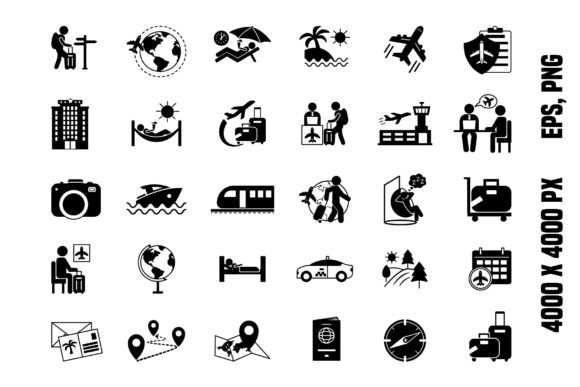
Welcome to our store, where we specialize in high-quality resources for web designers and developers. Our latest offering, Travel vector icons for web design, is specifically curated to meet the demands of modern digital projects. This collection is not just a set of images; it is a toolkit designed to solve common design challenges related to scalability, clarity, and aesthetic consistency.
The Role of Map Icons in User Experience
At their core, Map Icons are symbolic representations used to denote locations, directions, and points of interest. However, their role extends far beyond simple decoration. In the context of user experience (UX) design, these icons act as cognitive shortcuts. When a user sees a pin, a compass, or a route marker, they immediately understand the function of that element without needing to read accompanying text. This reduction in cognitive load is critical for keeping users engaged and reducing bounce rates.
Consider the challenges faced by designers today. Websites must be responsive, loading quickly across various devices from large desktop monitors to small smartphones. Furthermore, global audiences require designs that transcend language barriers. A well-designed map icon communicates "location" or "direction" regardless of whether the user speaks English, Spanish, or Mandarin. This universality makes Map Icons a strategic asset for any business aiming for international reach.
Overcoming Common Design Challenges
One of the most frequent hurdles in web design is maintaining image quality across different screen resolutions. Low-resolution raster images often appear pixelated or blurry when scaled up on high-density displays like Retina screens. This degradation in quality can make a professional site look amateurish and untrustworthy. Additionally, inconsistent styling—where icons clash with the site's color palette or line weight—can disrupt the visual harmony of a page.
Another significant challenge is file size optimization. Heavy image files slow down page load times, which directly impacts search engine rankings and user retention. Designers need assets that are lightweight yet visually rich. This is where vector-based solutions shine. Unlike standard JPEGs or low-res PNGs, vector graphics are mathematical descriptions of shapes, allowing them to scale infinitely without losing sharpness.
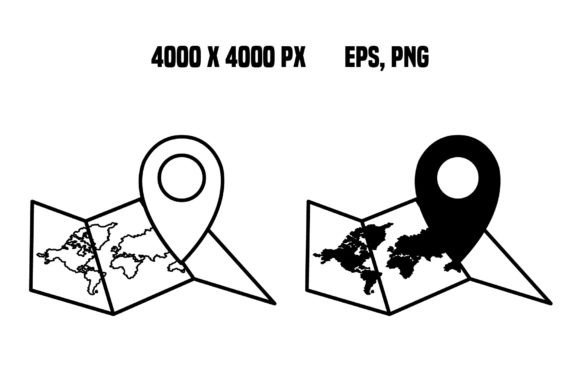
Our Travel vector icons for web design package addresses these issues head-on. By providing transparent image files in both EPS and PNG formats, we ensure that you have the flexibility to use these assets in any workflow. The inclusion of high-resolution files at 300 dpi with dimensions of 4000 x 4000 pixels ensures that your graphics remain crisp and clear, even when printed or viewed on the largest 4K displays available today.
Practical Applications for Travel and Beyond
While the collection is titled Travel vector icons, the applications for Map Icons are surprisingly versatile. For travel agencies and tourism boards, these icons are essential for creating interactive itineraries, highlighting destinations on a world map, and marking hotels or attractions. They help users visualize their journey before they even book a ticket.
Beyond the travel industry, consider how other sectors utilize these tools:
- Real Estate Platforms: Agents use location pins to show property proximity to schools, parks, and transit hubs. Clear iconography helps potential buyers assess neighborhood convenience at a glance.
- Logistics and Delivery Services: Companies tracking shipments rely on route markers and destination icons to provide customers with real-time status updates. Clarity here reduces customer support inquiries regarding delivery locations.
- Event Management: Organizers of conferences and festivals use map icons to create floor plans and wayfinding guides, ensuring attendees can easily find registration desks, stages, and restrooms.
- Local Business Directories: Small businesses benefit from distinct icons that highlight their physical storefronts, encouraging foot traffic from online searches.
Each of these scenarios requires a level of precision that only high-quality vector assets can provide. The ability to resize an icon without distortion means you can use the same asset for a tiny favicon, a medium-sized sidebar menu item, and a massive hero section background graphic.
Technical Specifications and Workflow Integration
When selecting resources for a project, technical specifications matter as much as aesthetics. Our ZIP file contains two primary vector design elements that cater to different stages of the production pipeline. The EPS format is ideal for professional graphic design software like Adobe Illustrator. It allows designers to edit paths, change colors, and adjust stroke weights to perfectly match their brand guidelines. This editability is crucial for customizing Map Icons to fit unique design systems.
For web developers who need immediate implementation, the included PNG files offer a ready-to-use solution. With a resolution of 4000 x 4000 pixels and a density of 300 dpi, these transparent images are overkill for standard web display, which typically operates at 72 dpi. This surplus in resolution provides a safety margin, ensuring that the icons look flawless on any device. The transparency feature eliminates the need for manual background removal, saving hours of tedious work in photo editing software.
Integrating these assets into a workflow is straightforward. Designers can import the EPS files into their layout tools to create mockups, while developers can link directly to the optimized PNG versions in their HTML and CSS code. This dual-format approach bridges the gap between design and development, fostering better collaboration and faster project turnaround times.
Tailoring Solutions for Different User Needs
Different users approach the topic of Map Icons with varying levels of expertise and specific goals. A freelance designer might prioritize aesthetic versatility and the ability to tweak colors to match a client's brand. For this user, the editable nature of the EPS files in our collection is the primary value proposition. They can take a basic travel icon and modify it to suit a luxury hotel chain or a budget backpacking app.
Conversely, a startup founder or a non-technical business owner might be looking for a quick fix to enhance their website's credibility. They may not have access to advanced design software but still need professional-looking graphics. For them, the high-resolution PNG files offer an instant upgrade. They can simply drag and drop these images onto their website builder, knowing that the result will look polished and professional without requiring any technical skills.
Even seasoned developers appreciate the efficiency of having pre-scaled, high-quality assets. Instead of spending time searching for free, low-quality clip art or struggling to vectorize a raster image, they can download our pack and implement the assets immediately. This focus on practicality and ease of use aligns with the broader goal of delivering value to the end-user through a seamless browsing experience.
Recommendations for Implementation
To get the most out of Map Icons in your next project, consider the following recommendations. First, maintain consistency. Stick to a single style family for all your icons to avoid visual clutter. Mixing thick, bold icons with thin, delicate ones can confuse users and dilute your brand identity. Second, pay attention to color psychology. While our icons come in neutral tones, adjusting the color to match your site's accent palette can significantly improve visibility and engagement.
Third, optimize for accessibility. Ensure that every icon has appropriate alt text describing its function for screen readers. An icon is not just a picture; it is a functional element that conveys meaning. Finally, test your icons on multiple devices. Even with high-resolution source files, compression during upload can affect quality. Always preview your final product on mobile devices to ensure the details remain sharp and recognizable.
In conclusion, the right visual assets can make or break a web design project. Map Icons are more than decorative flourishes; they are fundamental components of effective digital communication. By utilizing high-quality, scalable vector resources like those found in our Travel vector icons for web design collection, you empower yourself to create websites that are not only beautiful but also functional, accessible, and user-friendly. Thank you for visiting the store, and we hope these tools help you bring your creative visions to life with confidence and clarity.